
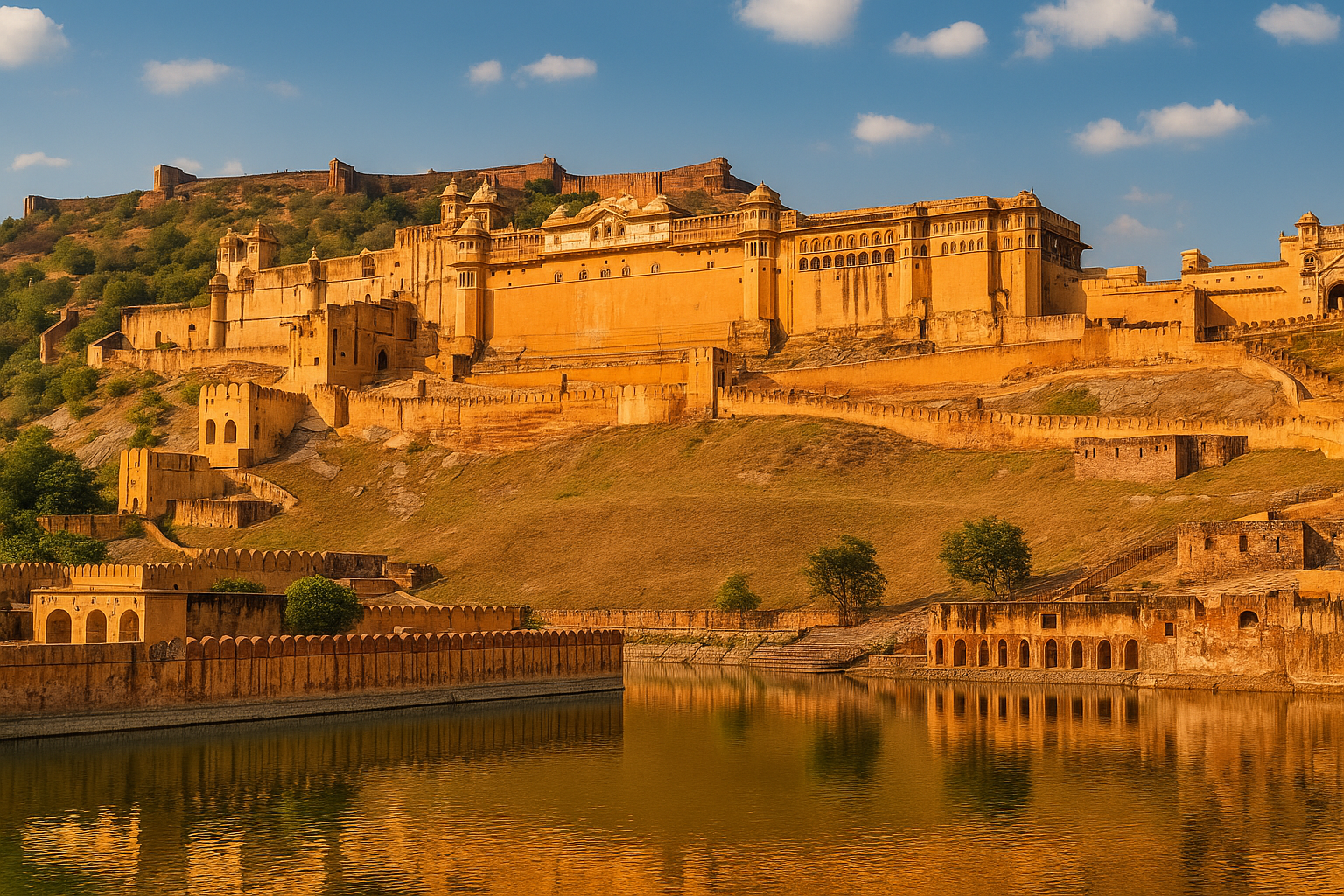

Rajasthan hits you fast. It is a city of contrasts, where camel carts share traffic lights with luxury SUVs, and centuries-old fortresses look down upon bustling, modern bazaars.
For travelers, the “Pink City” is often the highlight of a trip to India. But it can also be a little intimidating if you arrive without a plan. The streets are chaotic, the history is deep, and the options for sightseeing are endless.
If you are planning a trip to Rajasthan’s capital, you need more than just a list of monuments. You need a strategy. Here is your complete playbook for exploring Rajasthan.
If you know mor of us then click here
The Weather Reality: When to Book
Let’s be honest about the weather: Rajasthan gets incredibly hot. Visiting at the wrong time isn’t just uncomfortable; it can ruin your trip.
- The Sweet Spot (October to March): This is when Rajasthan is at its best. The sun is warm, but the air is cool. You can walk around the massive forts for hours without needing to seek shade every ten minutes.
- The Monsoon (July to September): If you are on a budget, this is a smart time to go. The crowds disappear, and hotel prices drop. The Aravalli hills turn a stunning green, though you will have to dodge high humidity and occasional rain showers.
- The Danger Zone (April to June): Temperatures frequently hit 45°C (113°F). Unless you are used to extreme desert heat, it is best to skip a summer visit.
The “Must-See” Checklist
You could spend weeks here and not see everything, but if you have 2 or 3 days, these are the landmarks that define the city.
1. Amber Fort (Amer Fort)
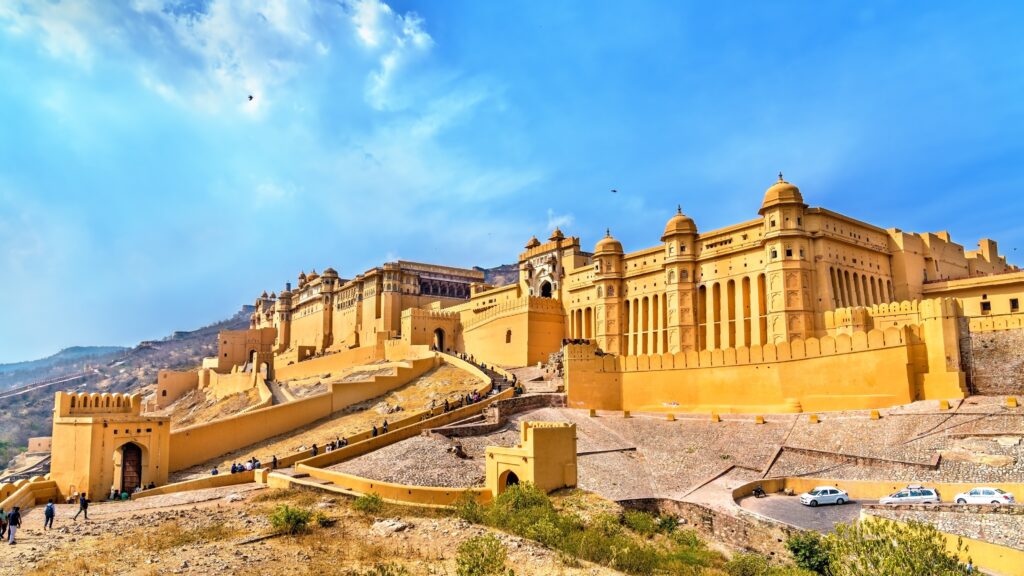
This isn’t just a fort; it’s a palace in the sky. Located about 11km from the main city, Amber is a massive complex built from pale yellow sandstone and white marble.
- The Highlight: Seek out the Sheesh Mahal (Mirror Palace). The walls are embedded with millions of tiny mirrors. Legend says it was designed so that a single candle could light up the entire room at night.
- Getting There: Skip the elephant ride. It is better for the animals if you walk up or take a jeep taxi to the entrance.
2. Hawa Mahal
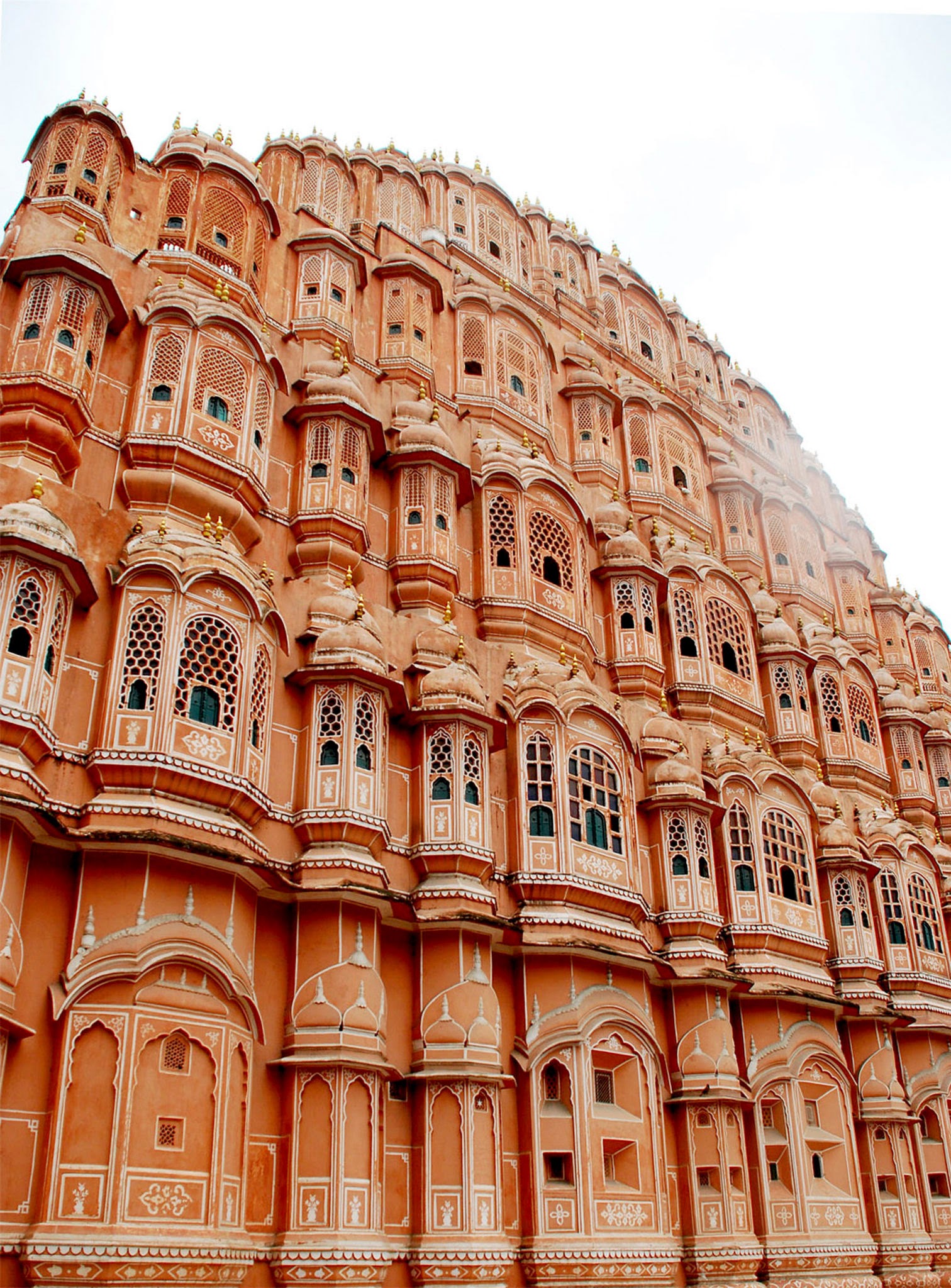
The “Palace of Winds” is Rajasthan’s most famous face. Built in 1799, it was essentially a high-tech screen for royal women to watch street festivals without breaking the rules of purdah (seclusion).
- Pro Tip: Don’t just stand on the sidewalk. Cross the street and go up to the Wind View Cafe. Order a coffee and get a photo of the monument at eye level without the traffic blocking your view.
3. Jantar Mantar
It looks like a playground for giants, but this UNESCO site is actually a collection of precise astronomical instruments from the 18th century. The sheer mathematical genius required to build stone structures that can tell time to the second is mind-blowing.
4. Nahargarh Fort
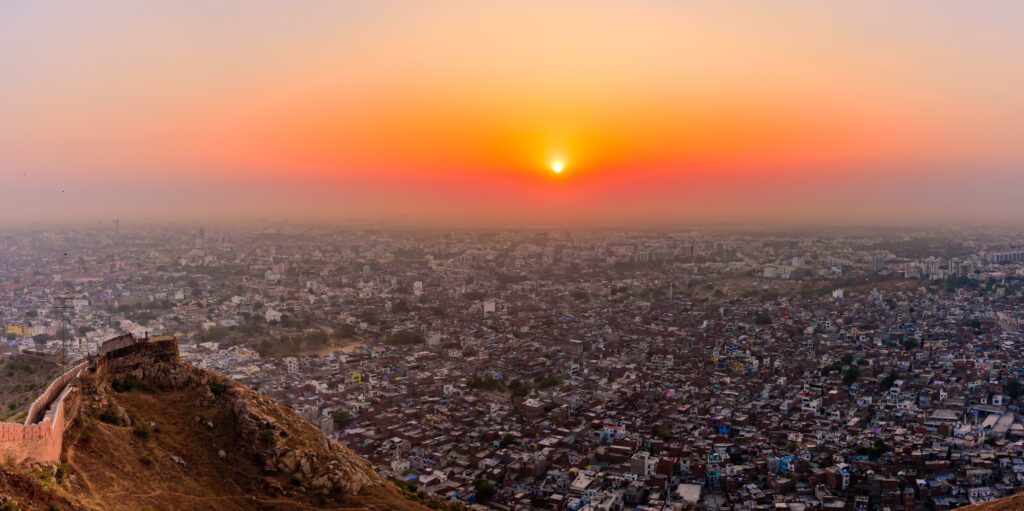
While Amber is for architecture, Nahargarh is for the vibe. Sitting on the edge of the hills, it offers a panoramic view of the entire city. It is the best spot in Rajasthan to watch the sunset. There is an open-air food court inside where you can grab a beer and watch the city lights flicker on.
Eating Your Way Through Jaipur
You can’t visit Rajasthan without diving into the food culture. It is rich, heavy on dairy, and full of spice.
- Lassi: In Rajasthan, a yogurt drink is a meal in itself. The most authentic spots serve it in clay cups called kulhads, which add an earthy aroma to the sweet, creamy drink.
- Pyaz Kachori: This is the city’s favorite snack—a crispy, deep-fried pastry stuffed with spicy onions.
- Laal Maas: If you eat meat, this is the challenge. It is a mutton curry prepared with a specific variety of red chilies (Mathania). It is fiery, flavorful, and unforgettable.
Surviving the Hustle: Practical Tips
Transportation Stick to apps like Uber or Ola for getting around the city. They offer fixed prices and air-conditioned cars. If you take a Tuk-Tuk (Auto-Rickshaw), be prepared to bargain hard. A good rule of thumb? take the driver’s first price and cut it in half to start negotiations.
The “Gemstone” Trap Rajasthan is a hub for jewelry, but it is also a hub for scams. A common trick involves a friendly stranger suggesting you buy gemstones to resell in your home country for profit. Never do this. It is a classic scam, and the stones are usually worthless glass.
The Monkey Situation At places like the Monkey Temple (Galta Ji) or Amber Fort, you will see langurs and macaques. They are generally harmless if you keep your distance, but hide your food. If they see a bag of chips or a banana, they will take it from you.
Final Thoughts
Rajasthan is intense, colorful, and loud. It might overwhelm you at first, but once you settle into the rhythm of the city, you will understand why it captivates travelers from all over the world. Whether you are watching the sunrise over Jal Mahal or haggling for textiles in Bapu Bazaar, Jaipur is an adventure waiting to happen.
Popular Foods in Rajasthan.
1. Dal Baati Churma
This is the flagship dish of Rajasthan. It consists of Baati (hard wheat rolls baked in a tandoor), Dal (spicy mixed lentils), and Churma (crushed wheat cooked with ghee and sugar). It is a heavy, wholesome meal.
2. Laal Maas
A fiery meat curry from the Royal kitchens of Rajasthan. Prepared with mutton and a special variety of Rajasthani red chilies (Mathania chilies), it is known for its deep red color and spicy, smoky flavor.
3. Ghevar
A disc-shaped sweet made from flour, ghee, and milk, soaked in sugar syrup. It is traditionally associated with the Teej festival and is often topped with Rabri (thickened sweetened milk) and nuts.
4. Ker Sangri
A unique desert vegetable dish made from Ker (a wild berry) and Sangri (dried beans of the Khejri tree). Cooked with spices and yogurt, it is a tangy and spicy pickle-like sabzi often eaten with Bajra Roti
Best places in Rajasthan to must visit.
1. Amer Fort (Amber Fort)
Located high on a hill, this is the crown jewel of Rajasthan. The fort is a stunning blend of Hindu and Mughal architecture, built from red sandstone and marble.
- Why it’s a Must-Visit: The “Sheesh Mahal” (Mirror Palace) inside is breathtaking—the walls are covered in thousands of tiny mirrors that sparkle like stars. You can also take an elephant ride up the cobblestone path to the main entrance.
- Best For: History lovers, photography, and panoramic views.
2. Hawa Mahal (The Palace of Winds)
This is the most iconic building in the Pink City to Rajasthan. It looks like a giant honeycomb with its 953 small windows (Jharokhas).
- Why it’s a Must-Visit: It was built so royal ladies could watch street festivals without being seen. Today, the intricate pink facade is the perfect backdrop for your travel photos.
- Best For: Iconic photos and street culture.
3. City Palace
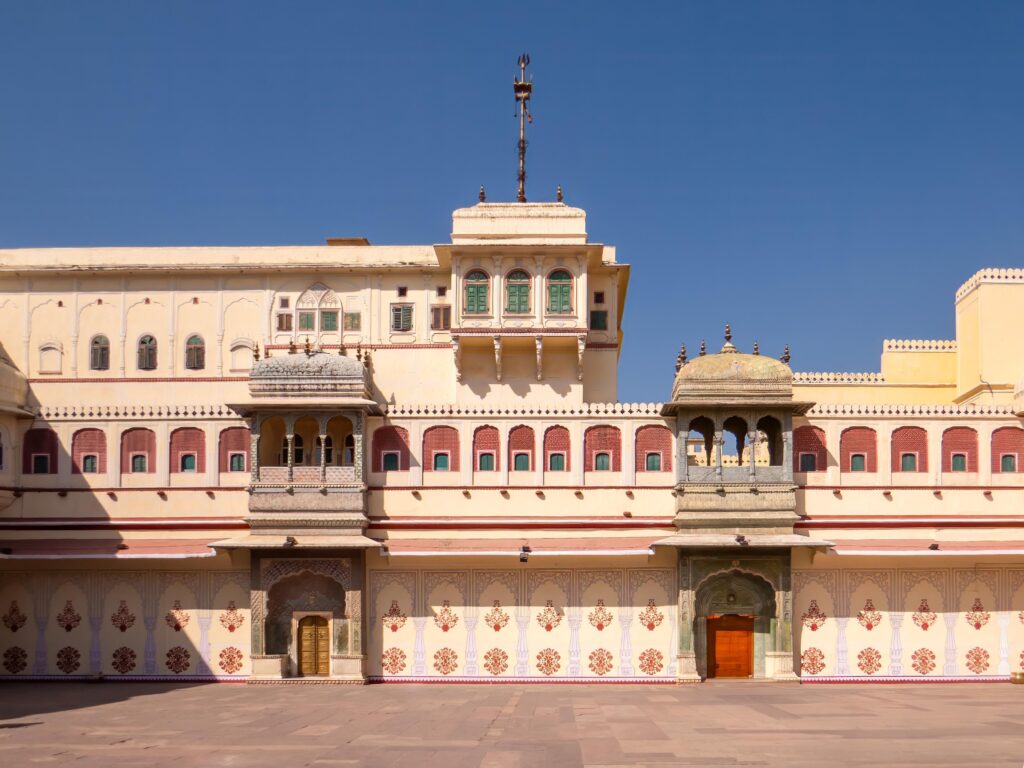
Located in the heart of the city, this palace is still home to the royal family of Jaipur.
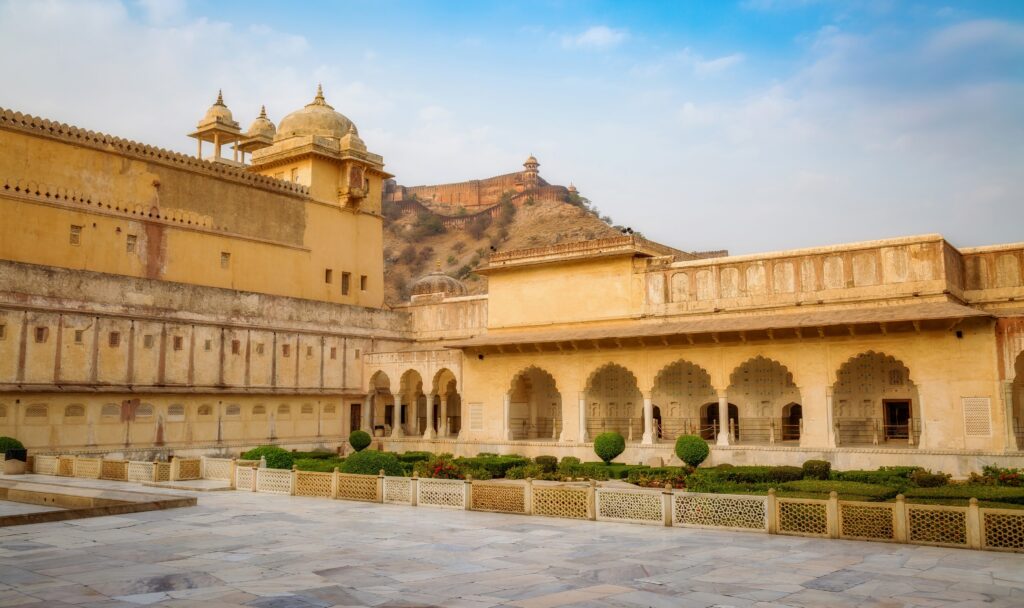
- Why it’s a Must-Visit: It’s a massive complex of courtyards, gardens, and buildings. The Pritam Niwas Chowk (pictured below) features four stunning gates representing the four seasons, each decorated with incredibly detailed artwork.
- Best For: Royal history and art appreciation.
4. Nahargarh Fort
Perched on the edge of the Aravalli Hills, this fort offers the best view of the entire city of Rajasthan.
- Why it’s a Must-Visit: It is the ultimate sunset spot. Watching the sun go down and the city lights flicker on below is a magical experience. The fort also has a sculpture park and a nice cafe.
- Best For: Sunsets and city views.
5. Jal Mahal (The Water Palace)
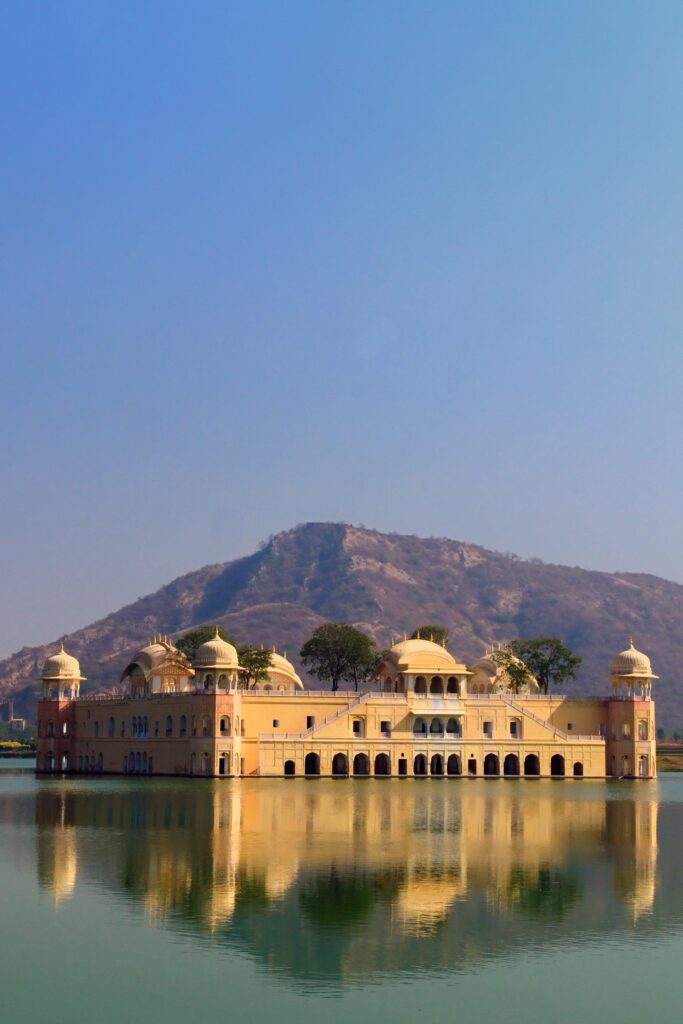
This palace floats in the middle of Man Sagar Lake. While you cannot go inside, the view from the shore is serene.
- Why it’s a Must-Visit: It’s an architectural marvel where four of its five floors are submerged underwater. It is particularly beautiful at sunrise or sunset when the palace is reflected in the calm waters.
- Best For: Romantic walks and bird watching.
If you see more thenclick here